
Our goal is to give you as much knowledge as possible so you can create unique pieces with confidence and enjoyment.
Training program ‘Floristry and Decor’
Approved by order of the studio owner Chandelle on 12/05/2025 No. 1-1/12
Title of the educational program: Florist Master Course
Basis for developing the educational program: Professional standard ‘Florist,’ level 4
Program length: 160 academic hours + 25 academic hours of self-study
Program schedule: once a week in the evening (4 academic hours)
Form of learning: in-person training (theory + practice)
Learning outcomes:
The goal of the training is to provide students with the knowledge, skills, and professional attitudes needed to work as a florist, as well as to lay the groundwork for continued learning and lifelong education.
Admission requirements:
Anyone with a basic education is allowed to enroll.
Completion requirements:
The course is considered completed if the student has:
- Attended at least 70% of the classes;
- Submitted all homework assignments;
- Successfully passed the final exams.
Description of the learning environment:
The classroom is equipped with lighting that meets sanitary and hygiene standards, as well as tables, chairs, a flipchart, a video projector, and audio equipment. Qualification obtained upon completion of training: Upon successfully completing the training, a certificate is issued confirming the knowledge and skills acquired according to the curriculum.

- GENERAL DESCRIPTION OF THE TRAINING CONTENT
The training program offers a comprehensive and in-depth approach to the world of floristry and space decoration. The training combines technical skills, creative thinking, and aesthetic perception, with special attention to the mindful use of details, materials, and composition.
During the training, the basics of floristry, space and table decoration, paper design, wedding and festive arrangements, creating decorative structures (arches and backgrounds), car decoration, as well as basics of visual presentation and working with social media (SMM) are covered. Special emphasis is placed on practical work, individual guidance, and developing participants’ personal style.
2. GOAL OF THE TRAINING PROGRAM
The goal of the training program is to provide the learner with the knowledge, skills, and attitudes that match the professional standard of Florist, Level 4, enabling them to work as a florist in a flower shop, studio, or independently, as well as take part in wedding, event, and funeral floristry.
A florist’s work includes preparing plant materials, creating floral arrangements (including decorative works), caring for plants, organizing sales, and serving clients. A florist organizes their work independently and can work as part of a team. A Level 4 florist creates a positive image of the profession in their daily work and, whenever possible, participates in professional associations, competitions, and other industry events.
- TARGET AUDIENCE AND ADMISSION REQUIREMENTS
Target audience:
- Beginners interested in floristry
- Creative people who want to gain professional florist skills
- Adult learners
Admission requirements:
- Secondary education or equivalent
- No previous experience in floristry required
- LEARNING OUTCOMES
A graduate of the training program:
- knows the history of floristry, its styles, and symbolism
- applies basic floristry techniques and methods
- creates bouquets and floral arrangements according to orders and context
- uses knowledge of flowers and composition
- works with various plant and auxiliary materials
- follows occupational safety and environmental responsibility principles
- interacts professionally with clients
- participates in wedding, event, and funeral floristry work
- presents their work visually and professionally
- acts as a responsible florist according to the professional standard, level 4
5. LEARNING OUTCOMES
- Lectures and discussions
- Practical workshops
- Independent and guided work
- COURSE CONTENT AND VOLUME (by modules)
Module 1. Floristry as Art: History, Psychology, and Philosophy
Number of hours: 8 academic hours
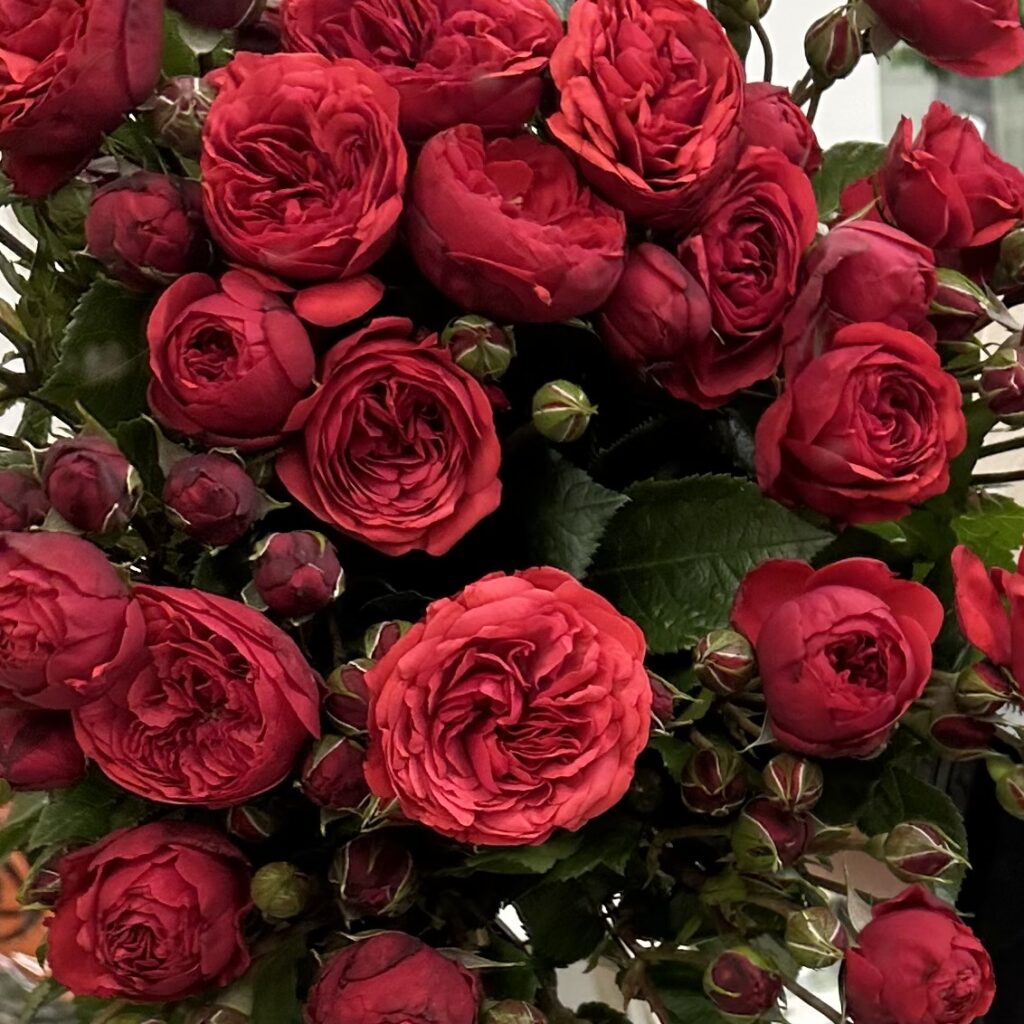
The module looks at floristry as an art and cultural phenomenon. Learners get to know the role of the florist as a mediator in conveying emotions, moods, and meanings. Issues of authorship, taste, responsibility, and conscious creativity are discussed, forming the foundation for a professional attitude toward the profession.
Students get an overview of how floristry developed during different historical periods and across various cultures. The national schools of floristry are discussed, as well as the symbolism of flowers, shapes, and color choices. The role of flowers in traditions, rituals, and different stages of a person’s life is also studied.
Module 2. Tools, Plants, and Plant Care
Number of hours: 12 academic hours

The module covers basic floristry skills, tools, and technical materials. The learner gets an introduction to working with flowers, greenery, and decorative elements.
The training is aimed at developing skills in growing and taking care of ornamental plants (including cut flowers, cut greenery, and indoor plants grown outdoors, in protected areas, and indoors) while considering their growth condition requirements.
The student should master and be able to:
- know the agrotechnics of growing ornamental plants and their classification;
- take care of plants according to agrotechnology requirements;
- be aware of environmental protection and occupational safety requirements;
- prepare plant material (cleaning, labeling, etc.), taking into account plant physiology and anatomy, as well as the specifics of the work; use plant material efficiently;
- plant plants purposefully, considering their growth requirements and the nature of the work being done;
- care for plants according to the conditions and requirements of their growth or storage;
- during practical activities, develop professional knowledge, skills, and attitudes acquired in an educational setting.
Module 3. Composition and Design in Floristry
Number of hours: 32 class hours
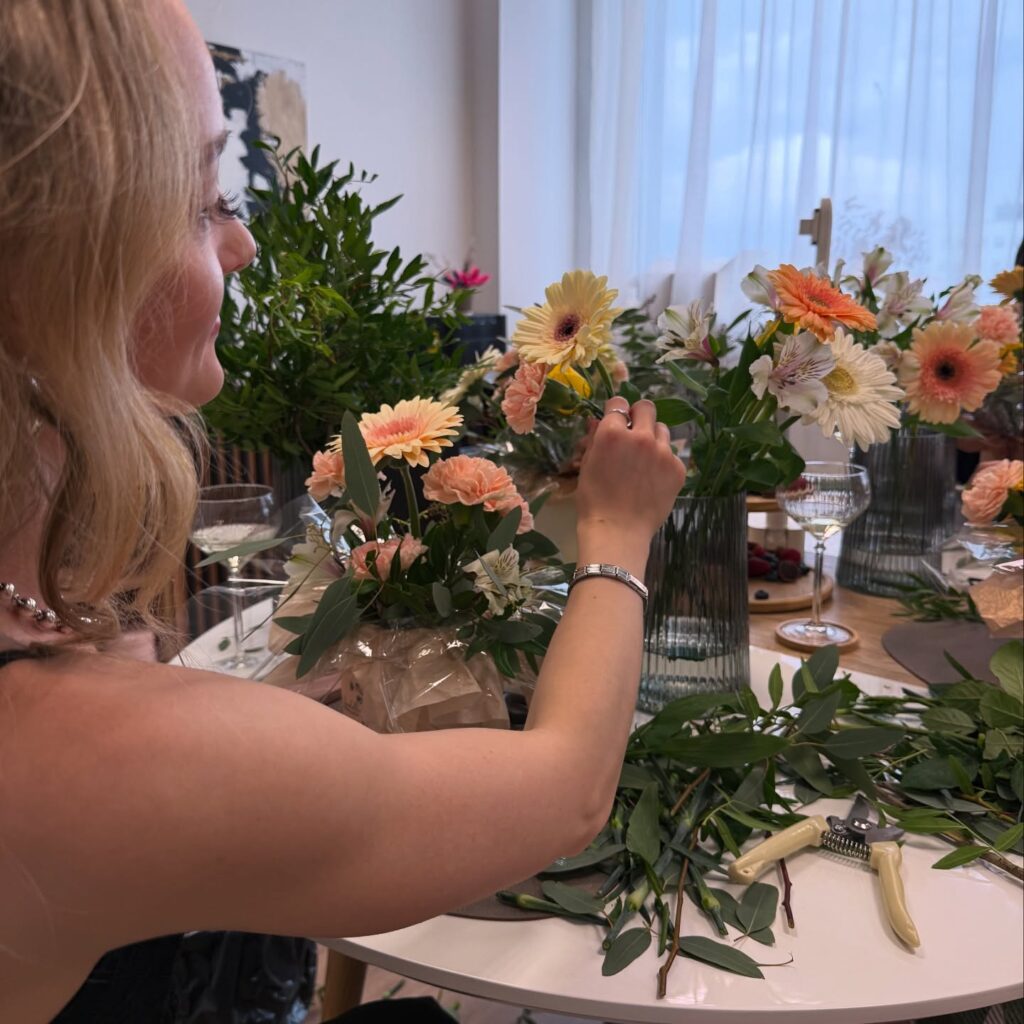
The module is dedicated to the basics of floral composition. Students learn to work with shape, line, rhythm, proportion, and space. Through practical exercises, they develop visual thinking and the ability to create balanced and aesthetically cohesive pieces.
The learner should master and be able to:
Basics of composition:
- Form, rhythm, balance, and proportions
- Understanding visual depth and space
- Creating focal points and hierarchy of elements
Design and creative planning:
- Planning work time and materials when creating a composition
- Choosing and combining materials considering different textures, colors, and shapes
- Finding creative solutions in various styles
Considering trends and styles:
- Knowledge of modern and classical trends in floral arrangements
- Applying different styles (minimalism, boho, luxe, modern)
- Taking into account events, seasons, and client preferences
Practical skills:
- Creating various compositions (bouquets, table decorations, hanging structures)
- Achieving harmony in design and colors
- Documenting the finished composition (photography)
Analysis and reflection:
- Evaluating your work and identifying opportunities for improvement
- Justifying creative decisions (why a particular color, shape, or rhythm was chosen)
Module 4. Techniques and Styles of Flower Arrangements
Number of hours: 32 academic hours

Students learn basic and modern floristry techniques. In practical work, they create bouquets, arrangements, and compositions of various shapes and structures. They develop technical accuracy and the ability to work independently.
Module 5. Color Theory and the Psychology of Perception
Number of hours: 8 academic hours
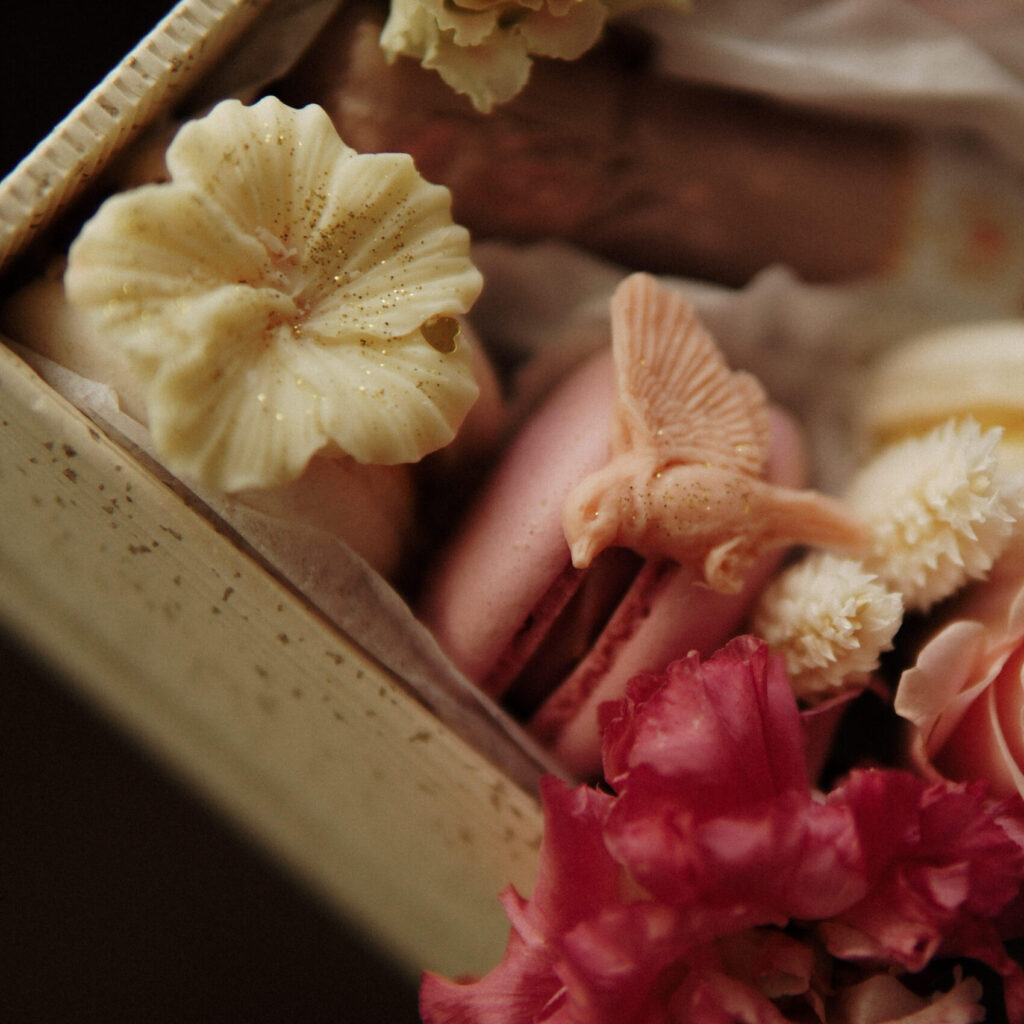
The module covers the basics of color theory and how color affects emotions and human perception. Learners get to know how to use color intentionally, create mood, and develop visual concepts according to the purpose of their work and the needs of their clients.
The student should master and be able to:
Color theory and combinations:
- Basic principles of the color wheel (primary, secondary, and tertiary colors)
- Creating contrast and harmony in a composition
- Using cool and warm tones and their impact on visual balance
Psychological influence:
- The effect of color on emotions and human perception
- Using color to convey a specific mood and message
- Considering client preferences and the context of the event
Color combinations and styles:
- Combining colors with different textures and materials
- Keeping up with trends and applying modern and classic color solutions
- Finding creative solutions according to style (minimalism, boho, luxury, etc.)
Practical skills:
- Planning color when creating a composition
- Correctly combining colors and shades based on experience
- Documenting the work and evaluating visual balance
Analysis and reflection:
- Evaluating the color choices in your work and improving them
- Justifying color choices and discussing their effectiveness
Module 6: Wedding, Event, and Funeral Floristry
Number of hours: 16 academic hours
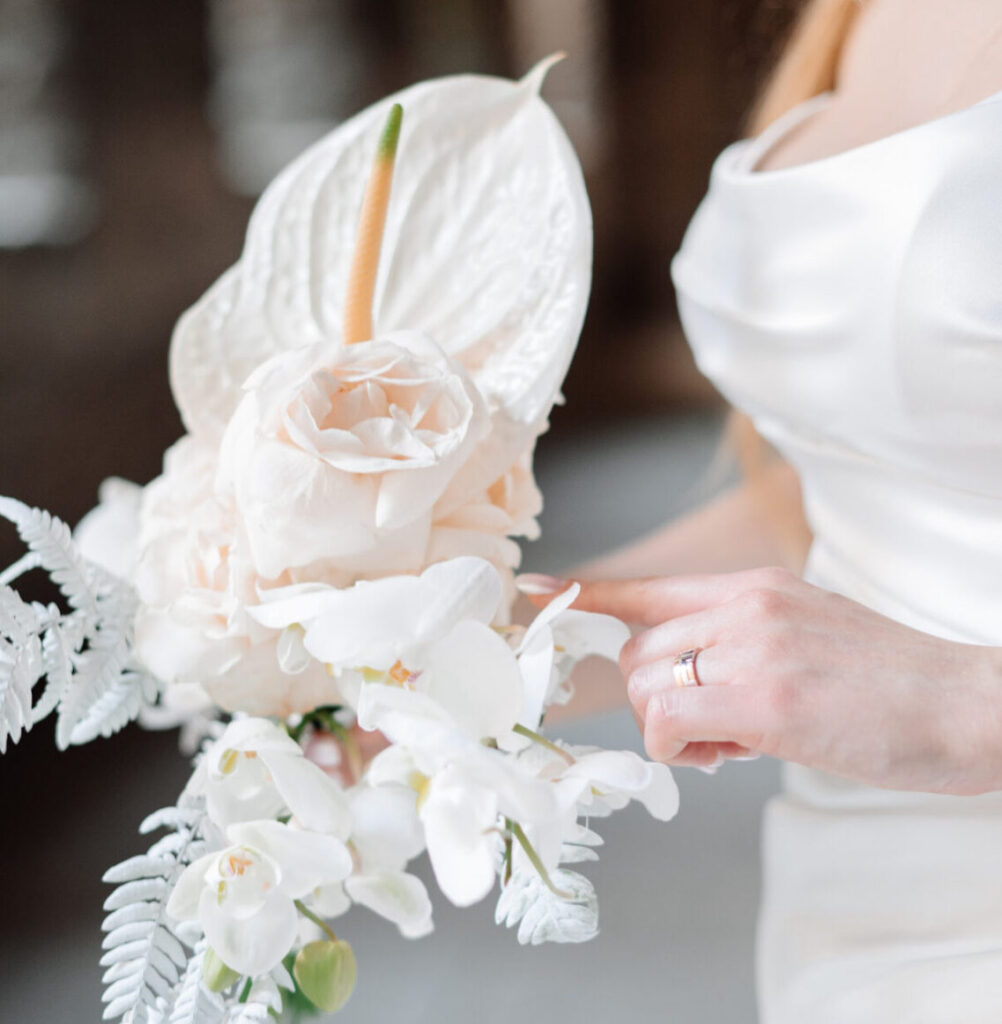
The module is dedicated to floristry in various life events. Students learn about:
- methods of working with clients in emotionally challenging situations
- creating and arranging wedding and event floristry
- features of funeral floristry and ethical principles
The student gains knowledge and skills in the following areas:
Understanding the features of floristry for different events
- Distinguishing the goals and objectives of wedding, funeral, and event floristry
- Considering the emotional context and symbolism
- Applying ethical principles in delicate situations
- Professional communication with clients
Basic and professional floristry techniques
- Hand-arranging techniques and working with frameworks
- Working with oasis, wire, mesh, and fastening materials
- Stability, proportions, and durability of arrangements
Creating a visual concept for an event
- Conscious selection of color palettes and materials
- Stylistic unity of all floral elements
- Considering space, scale, and rhythm in decorating
Professional selection and use of materials
- Choosing flowers and greenery based on season, longevity, and budget
- Calculating the quantity and needs for materials
- Understanding project costs and optimizing expenses
Module 7: Interior Design and Decorating
Number of hours: 16 class hours
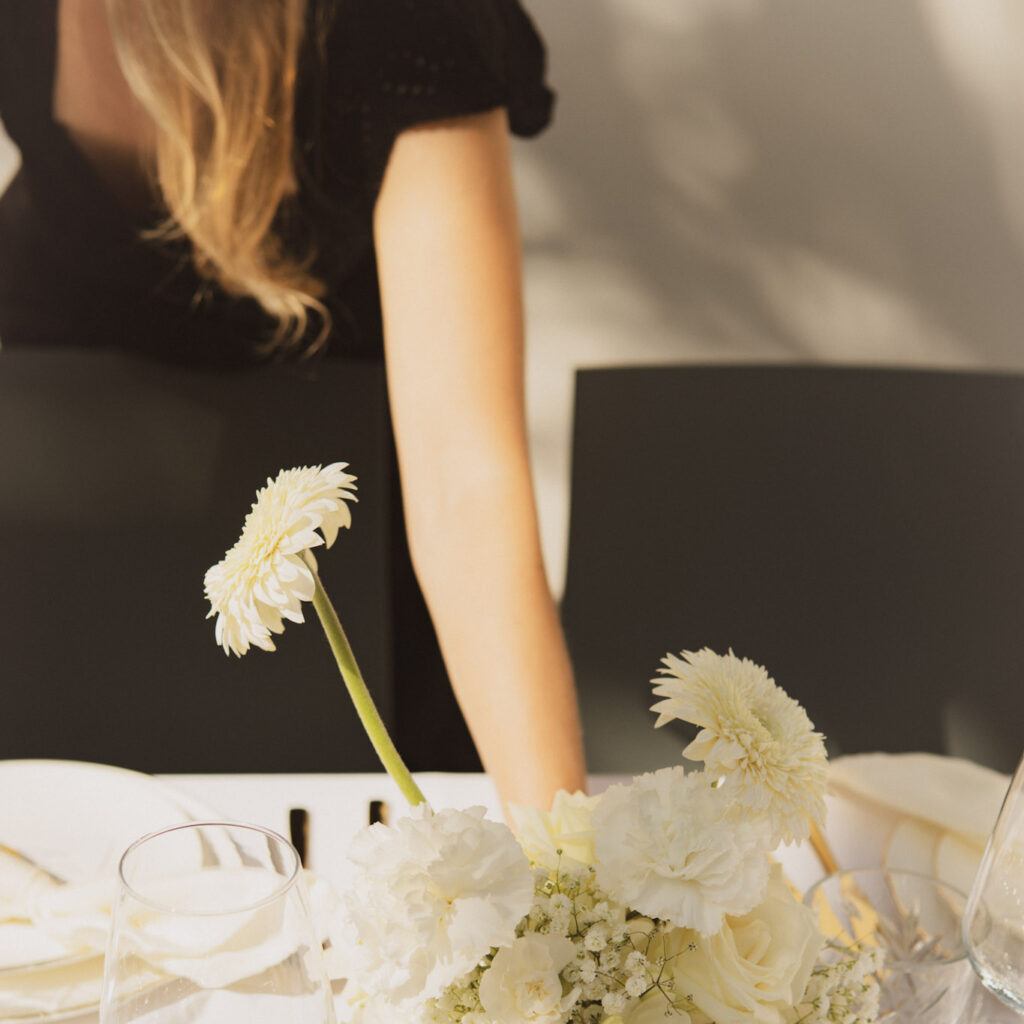
The module introduces decorating spaces as a complete creative process that combines floristry, spatial composition, textiles, and paper design.
Course participants learn to understand that decorating isn’t just about flower arrangements or table settings, but also about creating an atmosphere through details, materials, and visual balance.
The module covers various ways of decorating:
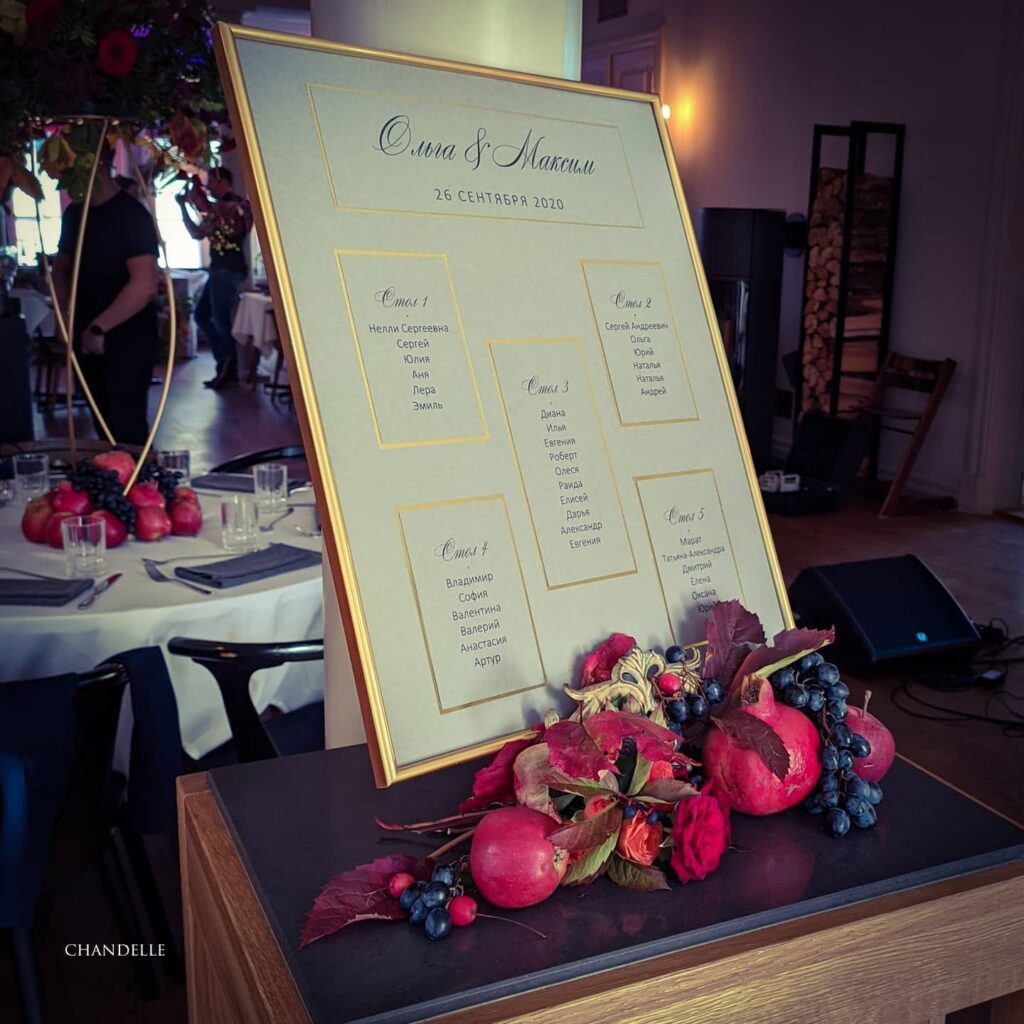
- paper items (cards, place cards, seating charts, festive and wedding paper design)
- the main focus is on a conscious, aesthetic, and emotionally rich approach, in line with the author’s philosophy – simplicity, meaning, and harmony.
- spatial structures (arches and backdrops)
- table decor
- use of textiles
Learning Outcomes
The student should be able to:
- Understand and create a visual concept of a space based on the idea and atmosphere of an event
- Create simple decorative structures (arches, backdrops) and integrate them with floral arrangements
- Plan and execute different table decor options using flowers, textiles, and proper proportions
- Use paper design as an important part of the decor (cards, seating charts, decorative elements)
- See decorating as a holistic process-from details to the entire space-creating a harmonious and meaningful environment.
Module 8. Photography and Visual Style
Number of hours: 8 class hours
The module is all about photographing floral arrangements and visual styling, teaching how to create beautiful, aesthetic, and professional-looking images of your work. Students learn the technical basics of photography and skills for crafting a visual style, which helps effectively showcase their work on social media, websites, and portfolios.
The training is led by a professional photographer who shares practical techniques and tips on proper shooting, using light and composition, as well as visually appealing ways to present photos.
Module content:
- Basic principles of floral photography: light, focus, sharpness, and composition
- Practical methods for capturing beauty: space, backgrounds, details, shooting moving objects
- Visual aesthetics and style: colors, textures, emotions, and frame balance
- Impact of imagery in marketing: creating a cohesive visual language for a brand
The learner masters
- The technical basics of photography – understanding light, sharpness, composition, and camera settings that are best for photographing floral subjects.
- Creating a visual style – planning and designing photos so they convey the idea and emotion of the work.
- Choosing the right angles and shots – picking the best viewpoints that highlight the beauty of the composition and details of the subject.
- Presenting images on social media – using photos for promotion, portfolios, or marketing materials while maintaining a professional and stylish visual identity.
Module 9. Florist’s Brand and SMM, Self-Promotion and Professional Visibility
Number of hours: 8 academic hours

The module is all about the florist as a brand: how to consciously and professionally present yourself on social media, creating a reliable and recognizable visual and content image. Students will learn that SMM isn’t just about posting; it’s thoughtful self-promotion that supports creativity, values, and the quality of services provided.
This module covers the basics of a florist’s brand, the role of social media in the creative field, principles of professional communication, as well as developing a personal style and voice in the digital space. The module emphasizes conscious, honest, and aesthetic self-promotion, where creativity, quality, and personal values always come first.
Module Content
- SMM in Floristry: goals, platforms, and content logic
- The Florist as a Brand: values, style, and uniqueness
- Professionalism on Social Media and Customer Communication
- Conscious Presentation of Personal Story and Creativity
Learner Learns
- Understand the role of social media in floristry and decoration and use it consciously to promote your work
- Develop the foundations of your own florist brand (style, message, values)
- Present yourself and your work professionally and reliably in the digital space
- Create simple but thoughtful content that supports visibility and communication with clients
Module 10. Customer Service and Sales
Number of hours: 8 academic hours
The module is dedicated to professional customer service and the sales process in floristry, following the Professional Standard ‘Florist,’ level 4. Students learn to communicate with clients politely, consciously, and reliably, identify their needs, and offer suitable floral solutions.
Special attention is paid to the customer experience, service culture, and the ability to connect creative work with practical sales.
Module Content
- Principles of communicating with clients in floristry
- Identifying the client’s needs and wants
- Offering suitable products and services
- Explaining prices, timelines, and terms
- Professional behavior and service standards
A student should be able to
- Prepare goods, tools, and materials for sale
- Set up store displays and showcases based on sales strategy and principles of space arrangement
- Identify customers’ needs and preferences, advise them, and professionally present products
- Sell products and handle transactions with customers, pack products according to their characteristics, and follow good service principles
- Resolve customer problems and complaints, and analyze feedback
- Develop professional knowledge, skills, and competencies learned in an educational setting in practical situations
Module 11. Work Planning and Sales Organization
Number of hours: 4 academic hours
The module is dedicated to the florist as an independent and responsible specialist. Students learn to plan and organize their work according to the Professional Standard ‘Florist,’ level 4, including managing time, materials, and work processes. The goal of the module is to develop skills for systematic, effective, and professional work both in daily activities and when handling large orders and projects.
Module Content
- Independent work and team interaction
- Work planning and time management
- Preparation of materials and tools
- Organization of the work process and responsibility
- Occupational safety and work organization in floristry
The student should be able to:
- Plan their work according to orders and deadlines
- Organize the work process and use resources efficiently
- Prepare materials and tools for work
- Work responsibly and follow safety rules
- Understand the basics of economics, entrepreneurship, and marketing in general and in the context of flower trade, have an idea of competitors’ and colleagues’ activities, as well as the current economic situation
- Understand the basics of working with personnel, mentor colleagues within their competence if needed, based on the organization’s needs
- Develop professional knowledge, skills, and competencies gained in the learning environment in practical settings

7. EVALUATION AND COMPLETION OF TRAINING
At the end of the training, a final assessment is conducted, aimed at evaluating the student’s knowledge, practical skills, and readiness to work as a florist in accordance with the Professional Standard “Florist”, level 4.
The final assessment consists of three parts:
Written Test
- duration: 90 minutes (academic time)
- the test includes theoretical questions on floristry, decoration, work organization, and customer service
Independent Practical Preparation
- duration: up to 4 academic hours
- the student plans and prepares the final project (material selection, concept, workflow)
Carrying Out and Presenting the Practical Work
- Duration: up to 4 class hours (depending on the group size)
- The student does a floral or decorative project, presents it, and explains the choices they made.
Conditions for Completing the Course and Receiving a Certificate
The course is considered successfully completed if the student:
- participated in the learning process according to the curriculum
- passed the final test
- completed and presented their practical final project
Upon successful completion of the training, the student is given a certificate confirming the knowledge and skills acquired in floristry and decorating according to the curriculum.
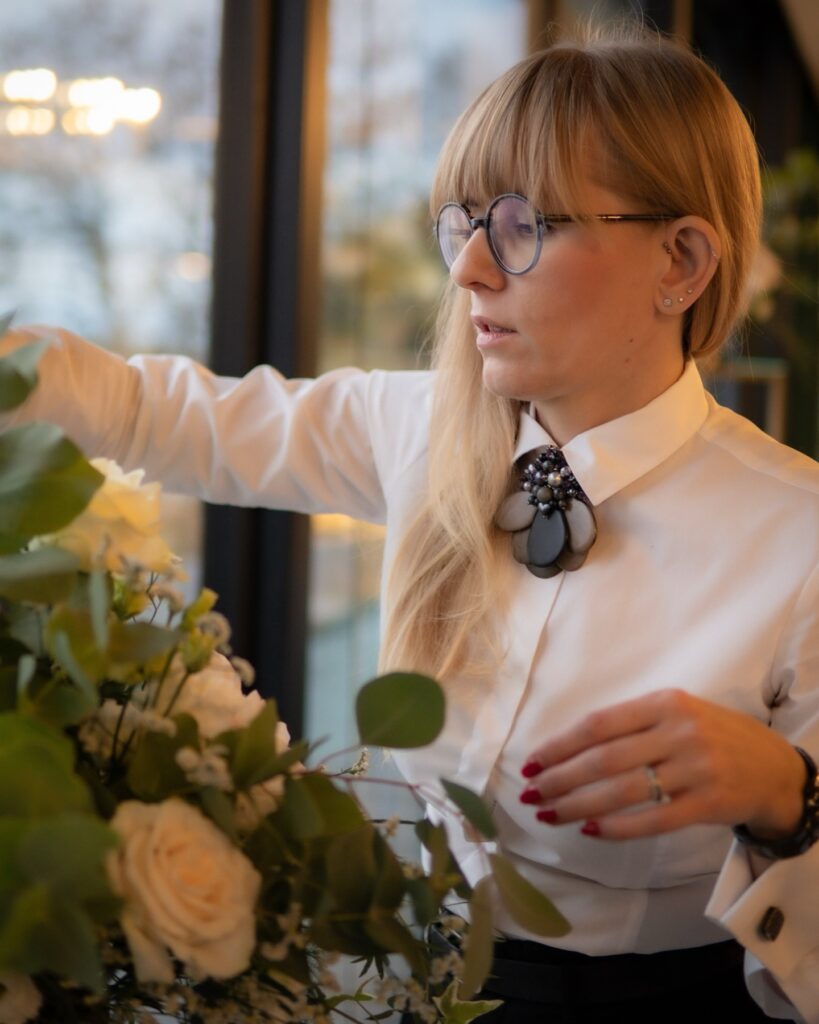
Ekaterina Sipari is the founder and owner of the Chandelle studio and the Jekaterina Sipari Design brand (since 2014). She’s a certified florist and decorator, and a teacher with many years of experience. She also has a higher education degree as an environmental engineer, along with qualifications in pedagogy, economics, and entrepreneurship management.
Anna Sipari is a photographer, graphic designer, and SMM specialist, and she runs the ‘Photography and Visual Style’ module.

Contact person for the educational program:
Jekaterina Sipari
Jekaterina Sipari Design OÜ
Chandelle Studio
Email: info@chandelle.ee
Phone: 5262 804
Sign up for the course: +372 526 2804, info@chandelle.ee or fill out the contact form.
SUBMIT AN APPLICATION